- What trends are driving today's packaging market?
- As in most industries, packaging market trends reflect a high level of innovation and respond to consumer demands and legislative requirements for sustainability.
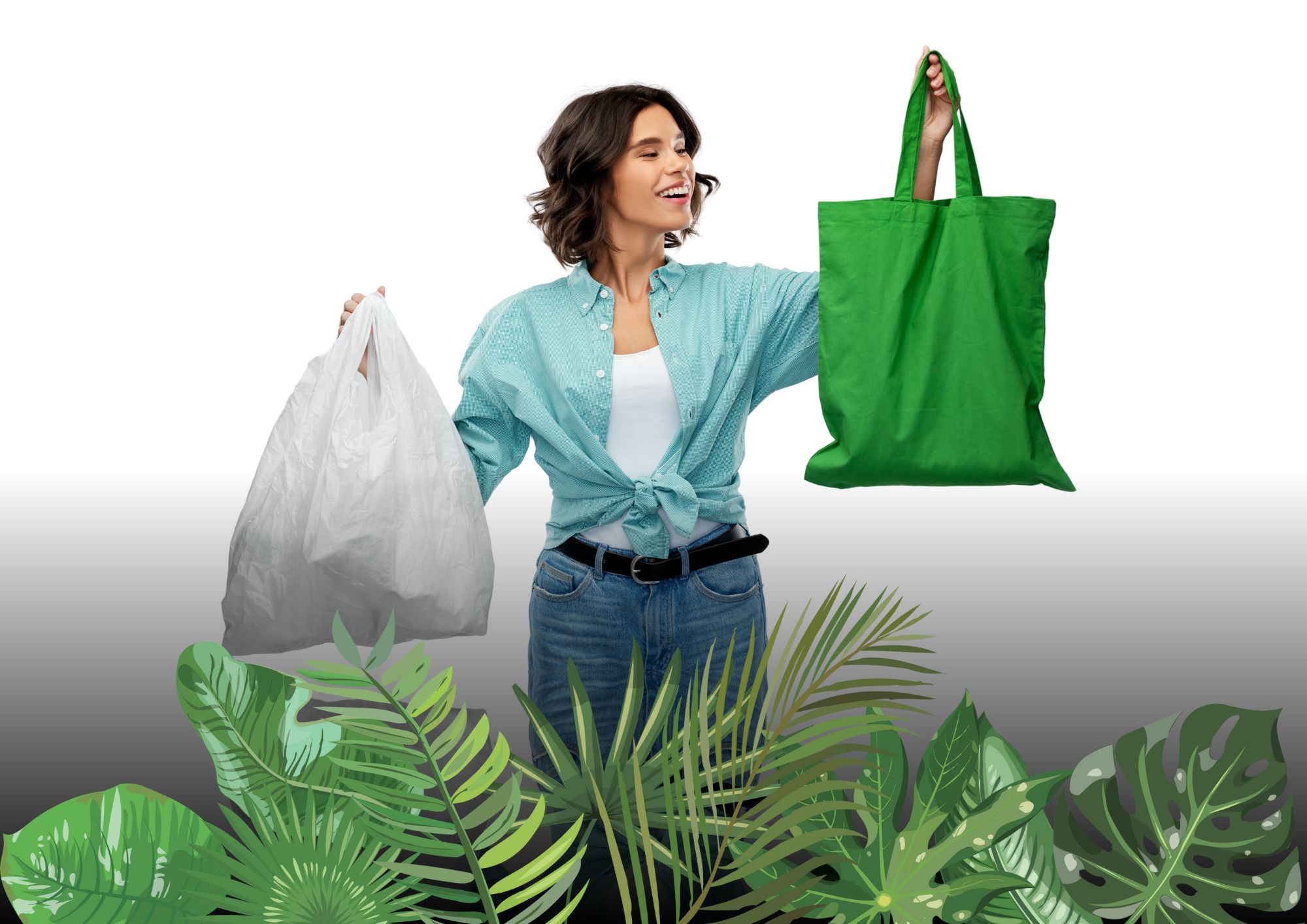
Growing consumer awareness of environmental issues is increasing demand for sustainable packaging. Many companies are switching to biodegradable materials, alternatives to plastic and improving their processes to reduce their environmental impact.
- We are all used to plastic bags - seemingly the most convenient means of packaging. What's wrong with them?
- Every year, 5 trillion plastic bags are produced worldwide, and the average time a bag is used is about 20 minutes. Considering that only 1-3% of polyethylene is recyclable, and natural decomposition takes 100 to 400 years, plastic bags now account for 10% of all garbage, and this share is steadily growing. For household needs, an average Ukrainian uses almost 500 plastic bags in one year. In the EU countries this figure is five times lower.
Ironically, plastic bags were invented 60 years ago by a Swedish engineer who cared about forest conservation - they were supposed to replace their paper counterparts.
- So what are the dangers of polyethylene, other than directly increasing the amount of trash?
- Burning polyethylene releases a huge amount of carcinogens into the atmosphere, which not only pollute the air, but also destroy the ozone layer - the Earth's natural defense against harmful solar radiation.
Plastic waste pollutes the soil, groundwater and oceans - scientists predict that in 35 years there will be 1 ton of plastic per 2 tons of fish. In addition, plastic bags often cause the death of animals, which take them for food and swallow them. In this way, about 1 million birds and 100,000 animals are killed every year. Today, Greenpeace estimates that plastic pollution threatens the existence of 267 species.
Plastic garbage has already led to anthropogenic changes - for example, in the Pacific Ocean there was formed a huge stain, which consists of 10% of polyethylene products, with an area of more than 1 million square kilometers. This is four times the area of Ukraine!
- Clearly, this problem requires an immediate response. What steps are being taken to reduce the harmful effects of plastic?
- The problem of plastic waste began to be addressed in the 1990s. Denmark was the first country to regulate the circulation of bags, in 1994. In 2002, Bangladesh was the first country in the world to completely ban plastic bags. And in 2015, EU countries committed to reduce the use of bags to 90 pieces per person in 2019 and to 40 pieces in 2025.
Today, the use of plastic bags is restricted in 53 countries, and in 33 countries it is completely banned.
Some countries impose taxes on plastic bags to reduce their use. This encourages consumers and companies to use more environmentally friendly alternatives.
In Europe, the leading countries in the fight against plastic waste are Germany, Austria and France, where plastic bags are completely banned. As an alternative, cardboard and biodegradable bags, cloth, polypropylene and PET bags are being offered to consumers. A big role in this was played by leading retail chains, which, without waiting for legislative initiatives, voluntarily abandoned the use of plastic bags.
- Has Ukraine joined the global efforts?
- Today only 6% of plastic is recycled in Ukraine, while in the EU this figure reaches 70%.
But Ukraine is moving together with the civilized world and has also joined these important environmental and economic initiatives.
Thus, in 2021, a law was adopted that restricts the use of plastic bags in Ukraine. The use of thin, ultra-thin and oxo-degradable bags in trade is prohibited, with the exception of primary packaging. From January 1, 2023, only biodegradable bags and bags made of plastic thicker than 50 microns are allowed.
The introduction of these measures has already led to tangible changes in the circulation of polyethylene - in 2022, the use of plastic bags decreased by 40-90%, while sales of biodegradable bags increased 16 times.
- Practice shows that the ban works if you offer a decent alternative. What can be used to replace plastic bags?
- Nowadays, many countries are actively working on developing and supporting alternative packaging from environmentally friendly materials, such as reusable spunbond bags, biodegradable polymers, fabric bags, paper bags and other environmentally friendly materials. Ukrainian manufacturers also contribute to environmental protection.
- Rendpacoeco is also known to offer an eco-alternative. What is it made of and what advantages does it have?
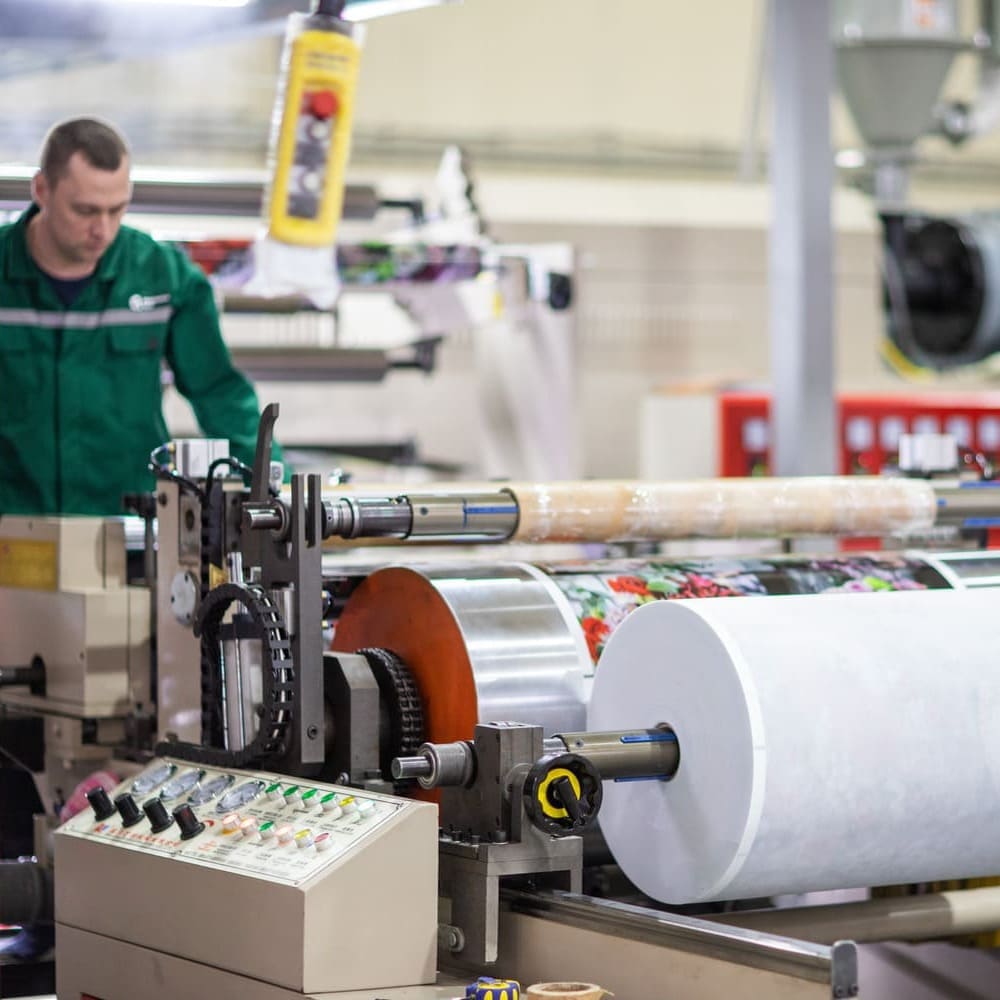
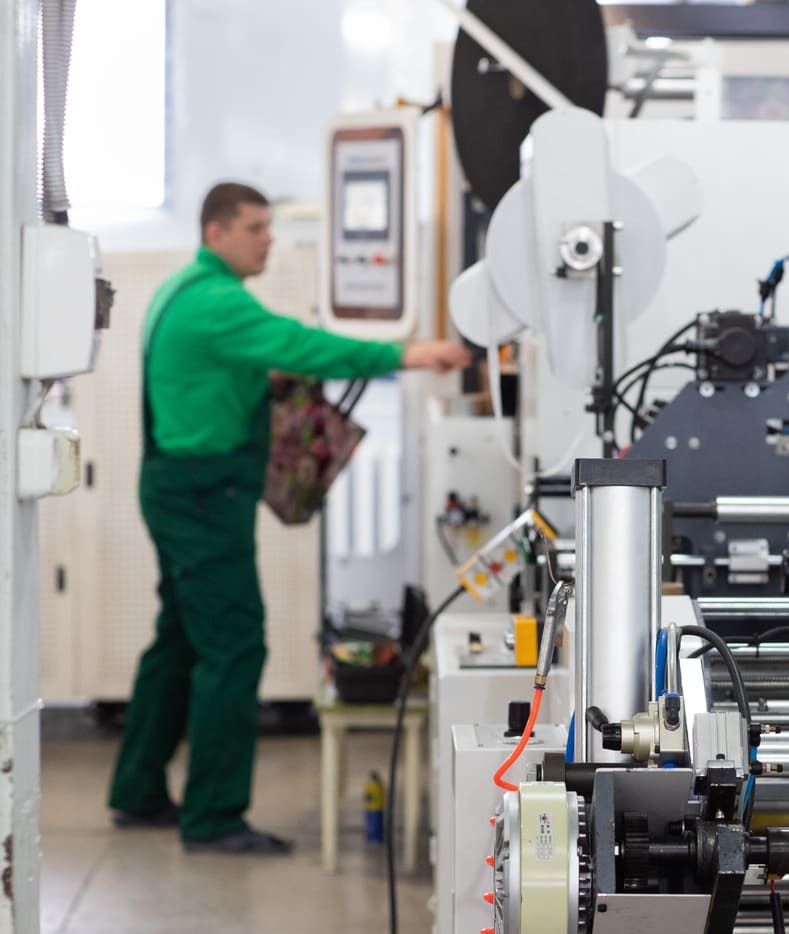
- Our product is an eco-bag made of eco-friendly material - spunbond. And we are the only company in Ukraine with a full cycle of production, that is, we produce both the material and bags from it.
The very first advantage of eco-bags is its reusability. So, eco-bag from spunbond can be used on average 100 times, replacing on average 300 plastic bags.
The advantage for consumers is its attractive appearance, ease of use, durability, moisture resistance, breathability, low price.
For brand owners, a branded eco-bag can be a cost-effective marketing tool. So, by placing its logo on the bag, the company gets a great way to identify the brand. Not only does this increase its recognizability, but it also provides a cheap advertising platform that makes it a daily advertisement. A branded eco-bag also testifies to the social responsibility of the business - increasing respect for the company in the eyes of customers and partners.
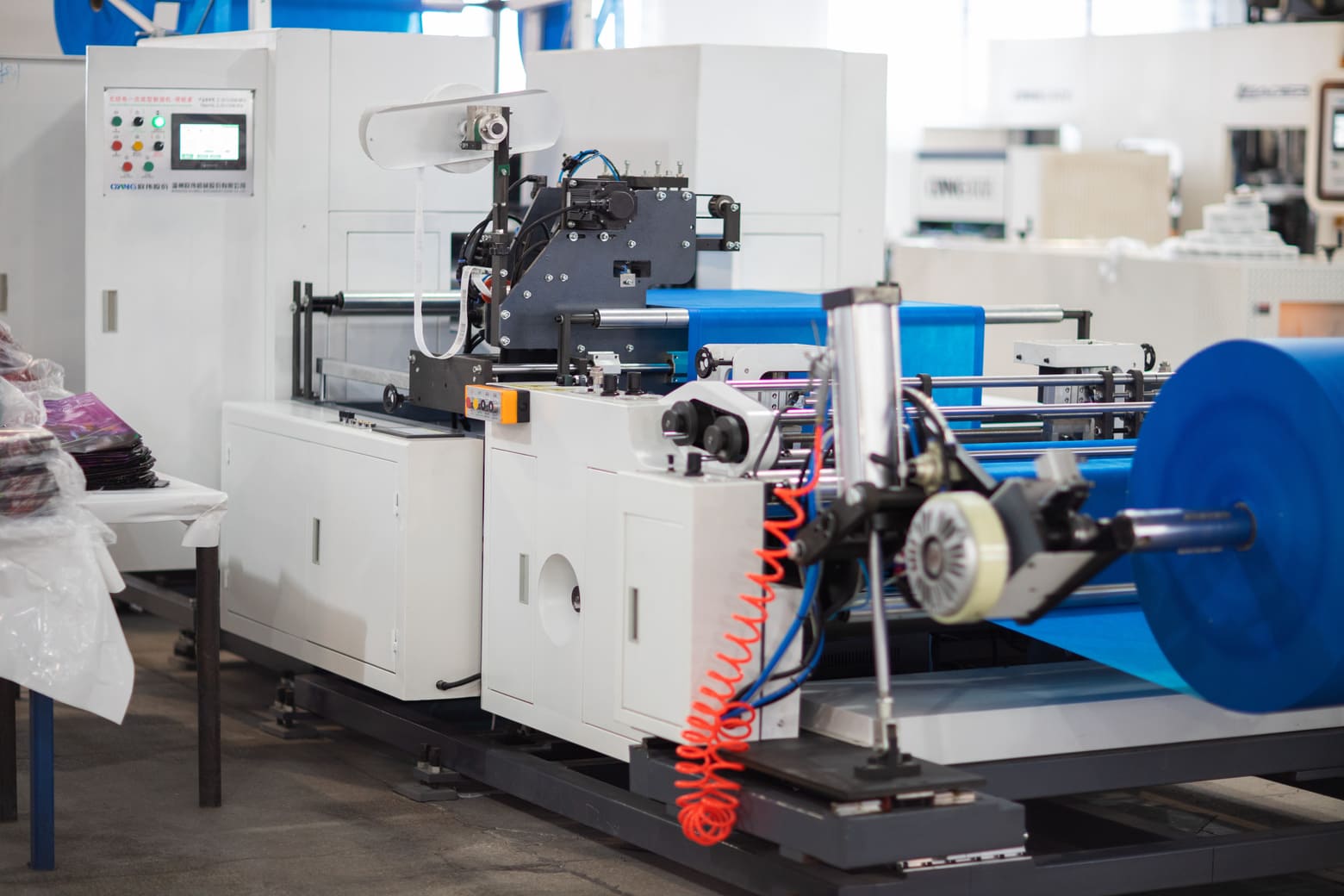
- What are the features of spunbond?
- Spunbond is a nonwoven material, which is manufactured by die-cutting from polypropylene. It has excellent properties: strong, wear-resistant, hypoallergenic, non-toxic, moisture-resistant. And above all, ecological. Spunbond bags are considered the best alternative to plastic bags of all. In particular, they are reusable, 100 percent recyclable unlike biodegradable and paper bags, can be used for a long time, do not require special disposal conditions and are the least polluting when decomposing.
On the scale of environmental friendliness spunbond bags received 9 points out of 10 possible - for comparison, biodegradable bags (made of vegetable raw materials) are rated at 7 points, and paper analogs - only 6 points.
The economic advantage is also worth noting - a reusable spunbond bag is only three times more expensive than a "disposable" bag, and on average ten times cheaper than a fabric chauper.
- How can everyone contribute to saving the environment?
- Now every consumer can effectively and easily join the fight against plastic pollution. Moreover, it does not require a great deal of effort. It is enough to get into the habit of following a few simple rules:
- refuse the excessive use of bags;
- choose reusable alternatives instead of disposable plastic bags;
- use reusable bags when shopping at the store.
- refuse a bag at the checkout
- If you have already purchased a bag, first of all, reuse it, and when it becomes unusable, recycle it.
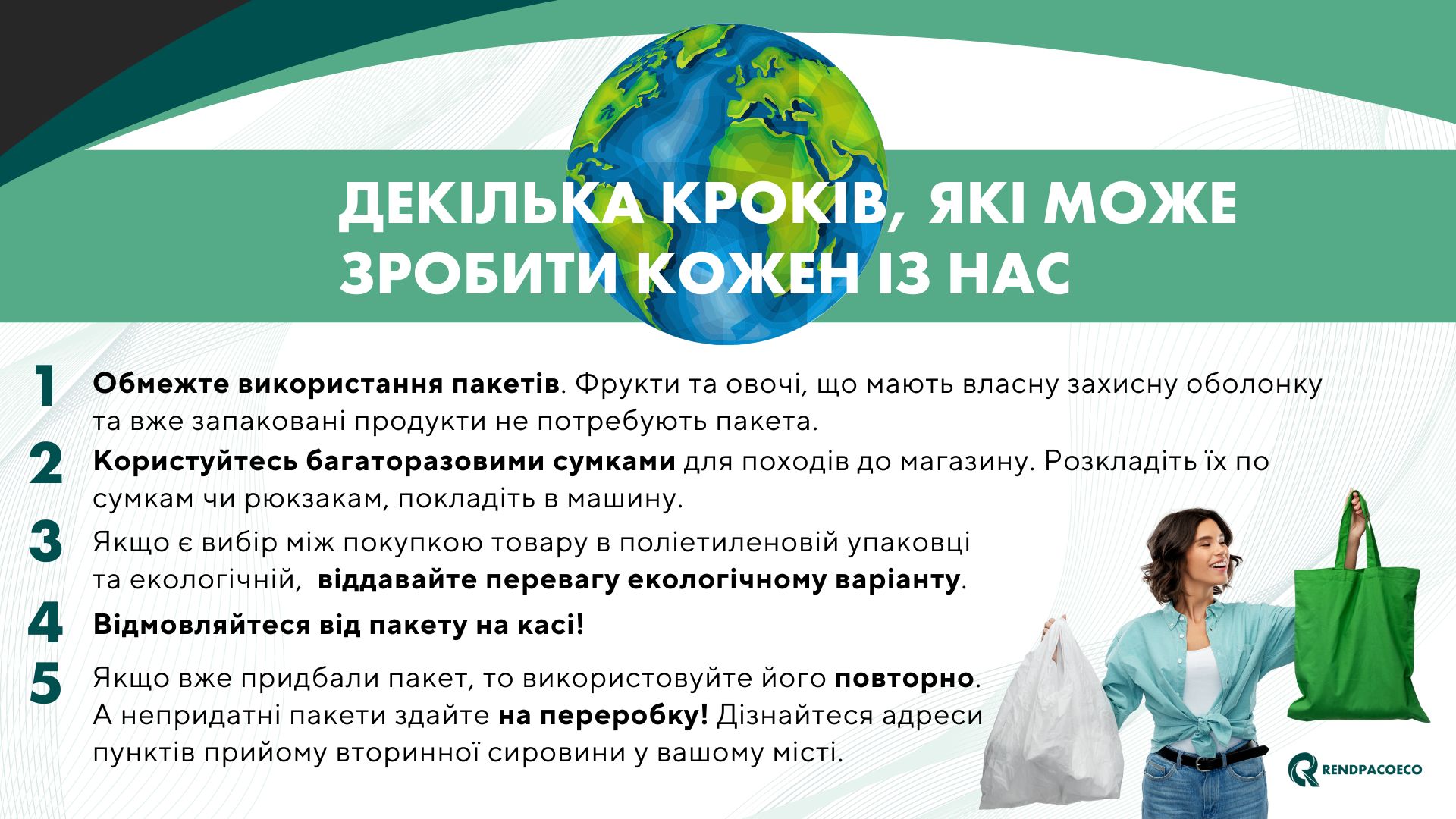
These steps may look small, but when many people implement them in their lives, it can greatly reduce the use of plastic bags and make a positive contribution to saving the environment.


